
Wedding photography sits at the fascinating intersection of technical precision and artistic vision. While capturing a couple’s special day might seem straightforward, the difference between ordinary snapshots and breathtaking images lies in mastering both the technical fundamentals and the creative courage to see moments differently. Every wedding presents unique lighting challenges, fleeting emotional peaks, and countless opportunities for visual storytelling that require both practiced skill and imaginative thinking.
Whether you’re just beginning your journey in wedding photography or looking to elevate your existing work, understanding how technique supports creativity is essential. This comprehensive resource explores the core competencies that transform good wedding photographers into exceptional visual storytellers, from composition principles that guide the viewer’s eye to lighting mastery that creates mood, and from creative perspectives that reveal fresh narratives to the authentic emotion capture that makes images timeless.
Technical proficiency isn’t about rigid rules or stifling creativity—it’s about building a foundation that frees you to focus on the moment. When you instinctively know your camera settings, understand how light behaves, and can anticipate technical challenges, your mind becomes available for the truly creative work: recognizing emotion, finding unique angles, and telling the couple’s story.
Think of technical skills as the vocabulary of visual language. A writer with a rich vocabulary can express nuanced ideas effortlessly; similarly, a photographer with strong technical command can execute creative visions without hesitation. During a wedding, moments happen once. The first kiss, the father’s tear during the speech, the spontaneous laughter between friends—these cannot be restaged. Technical readiness ensures you capture these irreplaceable moments beautifully.
Moreover, technical understanding enhances problem-solving. Wedding venues range from bright outdoor gardens to dimly lit churches, from modern industrial spaces to historic estates. Each environment demands different approaches to exposure, white balance, and focus. Mastering techniques like exposure compensation, manual focus in low light, and balancing ambient and artificial light sources allows you to adapt confidently to any scenario the wedding day presents.
Composition determines how viewers experience your images. Strong compositional techniques guide the eye, create visual harmony, and emphasize what matters most in each frame. While creativity often involves breaking rules, understanding these foundational principles gives you intentional control over your visual storytelling.
The rule of thirds divides your frame into nine equal sections using two horizontal and two vertical lines. Positioning key elements along these lines or at their intersections creates naturally balanced compositions that feel harmonious to viewers. For wedding photography, this might mean placing the couple’s faces at intersection points during portraits, or positioning the horizon along the upper or lower third line during ceremony shots. This technique prevents the static, centered compositions that can feel formal and stiff, instead creating dynamic images with visual flow.
Leading lines—pathways, architectural elements, rows of chairs, tree-lined aisles—draw the viewer’s eye through the image toward your subject. In wedding photography, these natural lines add depth and context while emphasizing the couple. A church aisle leading to the altar, a garden path winding toward the newlyweds, or the architectural columns of a venue framing the first dance all use this principle. Leading lines transform flat images into dimensional scenes that invite viewers to journey through the photograph.
Natural frames within your environment—doorways, windows, arches, foliage—add layers to your composition while drawing focus to your subjects. A couple framed by a rustic barn door, the bride reflected in an ornate mirror, or the ceremony viewed through floral arrangements all use this technique. Framing creates context, adds visual interest, and often tells a richer story by including environmental elements that reveal the wedding’s character and setting.
Light is the photographer’s primary medium. How you use, modify, or respond to light determines the mood, clarity, and emotional impact of every image. Wedding photographers must be versatile lighting artists, comfortable with various conditions and capable of shaping light to enhance their vision.
Natural light offers beautiful, authentic illumination when understood and utilized effectively. Soft, diffused window light creates flattering portraits with gentle shadows. Open shade provides even illumination for outdoor shots without harsh contrast. Understanding light direction and quality—whether it’s direct, diffused, reflected, or filtered—allows you to position subjects optimally. For instance, positioning the bride near a large window for getting-ready photos creates soft, directional light that sculpts features beautifully. During outdoor ceremonies, recognizing how sunlight angles change throughout the day helps you anticipate lighting conditions and adjust positioning accordingly.
Artificial lighting expands your capabilities in challenging environments. Mastering flash techniques—whether on-camera, off-camera, or bounced—ensures consistent results regardless of venue lighting. Bounce flash, where you direct flash toward ceilings or walls rather than directly at subjects, creates softer, more natural-looking illumination than harsh direct flash. Understanding flash power ratios, sync speeds, and how to balance flash with ambient light prevents the artificial look that undermines wedding photography’s authentic feel. Well-executed flash photography should enhance scenes subtly, filling shadows and adding catchlights to eyes without overpowering the existing atmosphere.
These magical windows—golden hour occurring shortly after sunrise and before sunset, blue hour in the twilight following sunset—offer exceptional lighting quality. Golden hour’s warm, directional light creates glowing, romantic images with long, flattering shadows. Blue hour’s cool, even illumination provides dramatic backdrops for creative portraits. Smart wedding photographers coordinate with couples to capitalize on these brief periods, perhaps scheduling couple portraits during golden hour or capturing creative nighttime images during blue hour. These premium lighting windows require planning but reward you with images that stand out in any wedding portfolio.
Perspective—your physical position relative to your subject—dramatically influences how viewers experience images. While eye-level shots form the foundation of wedding coverage, incorporating varied perspectives adds visual diversity and reveals aspects of the story that conventional angles miss.
High angles, shooting downward, can capture spatial relationships beautifully—the ceremony layout, reception table arrangements, or the bride’s dress details spread elegantly. Low angles, shooting upward, add drama and grandeur, making subjects appear powerful or emphasizing architectural elements like cathedral ceilings. Getting close with wide-angle lenses creates intimate, immersive perspectives, while stepping back with telephoto lenses compresses space and isolates subjects beautifully against blurred backgrounds.
Creative photographers also explore unconventional viewpoints: shooting through objects in the foreground, capturing reflections in mirrors or water, using doorways and windows as natural frames, or even incorporating aerial perspectives when appropriate. A diverse perspective portfolio throughout the wedding day prevents visual monotony and demonstrates creative vision. The key is varying your angles intentionally while remaining unobtrusive—moving around the ceremony space quietly, anticipating moments from different positions, and thinking three-dimensionally about each scene’s photographic potential.
Technical excellence and creative composition ultimately serve one primary goal: preserving genuine emotion. The most treasured wedding photographs typically aren’t the perfectly posed portraits but the unguarded moments—the tearful glance between parent and child, the explosive laughter among friends, the quiet intimacy of newlyweds stealing a private moment.
Capturing authentic emotion requires anticipation and awareness rather than just reaction. Experienced wedding photographers learn to read the day’s emotional rhythm, positioning themselves where meaningful moments are likely to unfold. During the ceremony, this means watching not just the couple but also parents, grandparents, and close friends whose reactions often reveal touching emotion. During speeches, it means monitoring both the speaker and the couple’s responses.
Technical preparation supports candid photography. Using continuous autofocus modes tracks moving subjects. Understanding your camera’s burst mode capabilities helps you capture the precise peak of laughter or the single tear rolling down a cheek. Shooting with appropriate shutter speeds freezes genuine gestures without blur. Perhaps most importantly, working discreetly—using longer lenses when appropriate, moving quietly, becoming a trusted presence rather than an intrusive observer—allows moments to unfold naturally. The photographer who masters the balance between technical readiness and invisible presence captures the authentic story that couples will treasure for decades.
The journey from competent to exceptional wedding photography requires both dedicated technical practice and creative courage. By mastering foundational techniques—composition principles that guide visual flow, lighting skills that work in any environment, varied perspectives that reveal fresh narratives, and the observational awareness that captures genuine emotion—you build the capabilities to tell each couple’s unique story beautifully. Remember that these techniques aren’t restrictive formulas but rather flexible tools that support your creative vision, freeing you to focus on what truly matters: preserving the irreplaceable moments, authentic emotions, and distinctive character of each wedding you’re privileged to document.
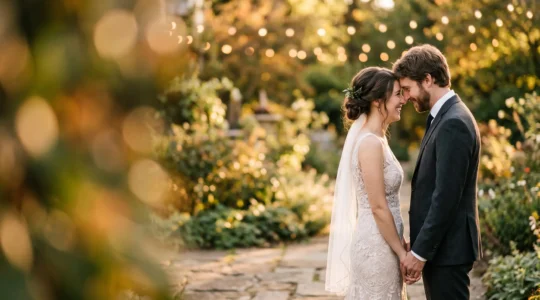
In summary: Achieving “dreamy” bokeh is about the quality of the blur, not just the quantity. The shape and number of a lens’s aperture blades are key. You can dramatically increase subject separation without a faster lens by increasing the…
Read more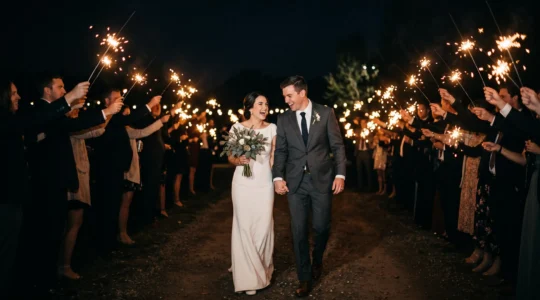
In summary: The common problem with sparkler exits is choosing between a sharp couple (with no light trails) or nice trails (with a blurry couple). The solution is to blend two exposures in-camera: use a slow shutter speed (1-2 seconds)…
Read more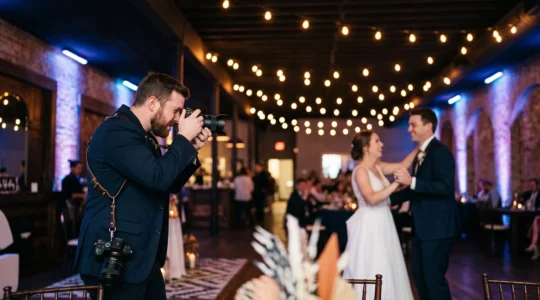
In summary: Success in low light is not about one setting, but about making strategic compromises between ISO, shutter speed, and aperture. Blend subtle, bounced fill flash with existing ambient light to create depth and avoid the “on-camera flash” look….
Read more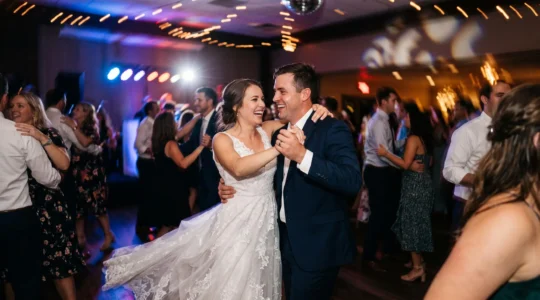
The core problem with flat dance floor photos isn’t your gear; it’s capturing moments statically instead of kinetically. Instead of freezing action with high shutter speeds, use intentional motion blur to convey energy and movement. Anticipate peak action like a…
Read more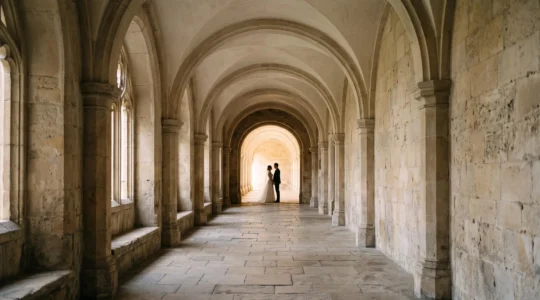
The greatest missed opportunity in wedding photography is treating a magnificent venue as a passive backdrop instead of an active compositional instrument. Architectural leading lines are not just found; they are intentionally orchestrated by understanding the building’s geometric system. A…
Read more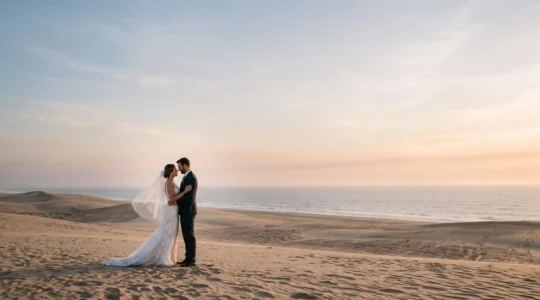
Powerful minimalist photography is not about what you include, but what you have the discipline to subtract. Intentional emptiness amplifies emotion by forcing the viewer’s focus onto a single, resonant moment. Finding minimalist compositions in chaotic venues requires actively changing…
Read more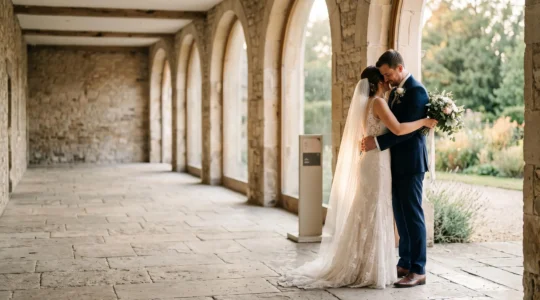
The Rule of Thirds is not a rigid grid for subject placement; it’s a principle for creating visual tension and telling a more compelling story. Off-center compositions are scientifically perceived as more dynamic because they guide the eye and create…
Read more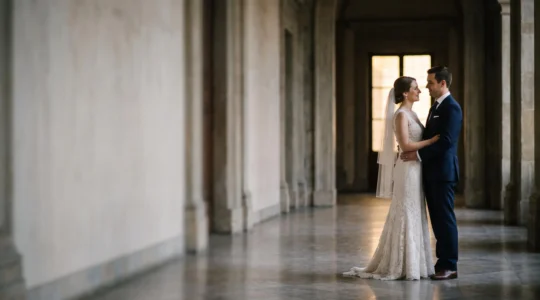
Achieving a cinematic look isn’t about owning a fast lens; it’s about using depth of field as a deliberate narrative tool to guide emotion. Mastering modern tools like Eye AF is the key to confidently shooting wide open (f/1.4, f/1.2)…
Read more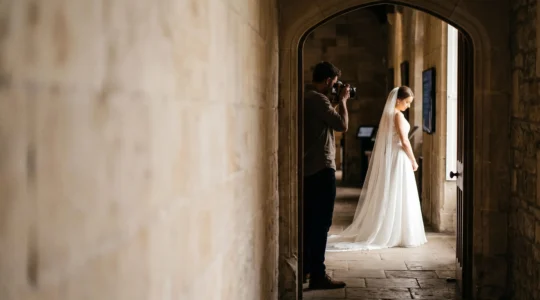
Mastering ambient light has little to do with your camera settings and everything to do with learning to diagnose light quality like an expert. Bad light isn’t a problem to be fixed with flash; it’s a symptom to be diagnosed…
Read more