
Wedding photography stands apart from nearly every other photographic discipline. It combines the technical demands of portrait work, the spontaneity of photojournalism, the creativity of fine art, and the pressure of capturing unrepeatable moments—all within a single day that holds immense emotional significance for your clients. Unlike a portrait session that can be rescheduled or a landscape that waits patiently for perfect light, a wedding unfolds only once, making every click of the shutter count.
For couples, wedding photographs become treasured heirlooms that preserve not just faces and details, but emotions, relationships, and fleeting moments that would otherwise exist only in memory. For photographers, weddings represent both a rewarding challenge and a significant responsibility. Whether you’re considering wedding photography as a career path or simply want to understand what makes exceptional wedding images, this comprehensive exploration will guide you through the essential knowledge that transforms good wedding photographers into great ones.
The journey from camera enthusiast to confident wedding photographer involves mastering multiple dimensions: understanding diverse photographic styles, building a reliable technical foundation, developing organizational skills that prevent chaos on the big day, cultivating the interpersonal abilities that put nervous couples at ease, and refining post-production workflows that deliver stunning final albums. Let’s explore each of these crucial elements.
One of the most important foundations in wedding photography is recognizing that not all wedding images look—or should look—the same. The style of photography you choose profoundly affects how the wedding day is documented and remembered. Understanding these approaches helps photographers develop their artistic voice and helps couples select the right photographer for their vision.
Traditional wedding photography emphasizes formal, carefully composed portraits and group shots. This classic approach focuses on structured compositions where the photographer directs subjects into flattering positions, ensures perfect lighting, and captures the key players in their finest presentation. Think formal family portraits, bride and groom portraits with perfect symmetry, and reception details arranged with precision. This style appeals to couples who value timeless elegance and complete coverage of all important family configurations.
In contrast, photojournalistic wedding photography takes inspiration from reportage, capturing moments as they unfold naturally without interference. Photographers working in this style become observant storytellers rather than directors, anticipating emotional peaks and significant interactions. The result is a collection of candid images—a father wiping away tears during the ceremony, guests laughing genuinely during toasts, the couple stealing a quiet moment amid the celebration—that feel authentic and unscripted. This approach requires exceptional anticipation skills and the ability to remain unobtrusive.
Fine art wedding photography elevates the wedding day into artistic imagery characterized by creative composition, dramatic lighting, and often softer, more ethereal post-processing. These photographers see weddings as opportunities to create gallery-worthy images that prioritize aesthetic beauty alongside documentary value. Editorial wedding photography similarly draws inspiration from fashion photography, incorporating sophisticated posing, striking locations, and magazine-quality aesthetics. Many contemporary wedding photographers blend elements from multiple styles, creating a hybrid approach that balances artistry with comprehensive documentation.
While creativity and interpersonal skills matter immensely, wedding photography also demands reliable technical equipment and the knowledge to use it effectively under varying conditions. Understanding your gear inside-out prevents technical failures during critical moments.
Most professional wedding photographers rely on full-frame camera bodies for their superior low-light performance and image quality, typically carrying at least two bodies to prevent catastrophic failure if one malfunctions. Lens selection usually includes a versatile range:
Beyond cameras and lenses, successful wedding photographers invest in dependable lighting equipment—typically speedlights or small strobes with modifiers for reception lighting—plus abundant backup batteries, multiple high-capacity memory cards, and often backup cameras. The key principle is redundancy: every critical piece of equipment should have a backup, because equipment failure on a wedding day isn’t merely inconvenient—it’s potentially devastating to your reputation and the couple’s irreplaceable memories.
Technical skills mean little without proper preparation. The difference between photographers who navigate wedding days smoothly and those who struggle often comes down to meticulous advance planning.
Successful wedding photography begins weeks before the actual day with thorough client consultations. These conversations establish not just logistical details—timeline, locations, family configurations—but also expectations, priorities, and the couple’s vision. Creating a detailed photography timeline that accounts for travel time between locations, golden hour for outdoor portraits, and buffer time for inevitable delays prevents the rushed, stressful situations that compromise image quality.
Scouting locations beforehand provides invaluable advantages. Visiting the ceremony and reception venues allows you to identify optimal shooting positions, assess challenging lighting conditions, plan backup options for inclement weather, and visualize creative opportunities. This preparation enables you to work confidently and efficiently on the wedding day rather than discovering problems in real-time.
Equally important is preparing comprehensive shot lists—not as rigid scripts, but as safety nets ensuring no crucial moment or grouping gets overlooked. These lists typically include:
Wedding days follow a general structure, yet each unfolds uniquely. Understanding the typical flow of events helps photographers anticipate crucial moments while remaining flexible enough to capture unexpected magic.
Pre-ceremony coverage often includes getting-ready photos that capture the anticipation and preparation—details of the dress and accessories, emotional moments with family members, and the transformation from everyday to wedding-ready. These intimate moments set the emotional tone for the entire collection.
During the ceremony itself, positioning is critical. Many photographers work with a primary shooter near the front (often off to one side to remain unobtrusive) and sometimes a second shooter in the back capturing different perspectives. Key ceremony moments demanding sharp attention include the processional, the couple’s exchange of vows and rings, the first kiss, and the joyful recessional. Equally valuable are the candid reactions—parents’ tears, guests’ smiles, the couple’s nervous glances at each other.
The period immediately following the ceremony offers prime opportunities for couple portraits and family groupings. This is where your shot lists and organizational skills prove invaluable, efficiently gathering family members for formal portraits before they disperse. Couple portraits benefit from finding flattering light and meaningful locations, whether dramatic architecture, natural landscapes, or simply beautiful window light.
Reception coverage balances structured moments—grand entrance, first dance, parent dances, toasts, cake cutting—with candid documentation of guests celebrating, emotional exchanges, and atmospheric details that convey the event’s personality and energy.
Technical excellence alone doesn’t make a successful wedding photographer. The ability to connect with clients, manage stress, and create comfortable environments for authentic images separates truly exceptional wedding photographers from merely competent technicians.
Building rapport begins during initial consultations and continues through every interaction. Couples need to trust you not just with capturing their wedding, but with being a calming, professional presence on a potentially stressful day. This means communicating clearly about what to expect, being responsive to questions and concerns, and demonstrating genuine enthusiasm for their celebration.
On the wedding day itself, your demeanor sets the tone. Remaining calm under pressure, solving problems quietly without alarming the couple, offering gentle direction that feels helpful rather than bossy, and reading people’s comfort levels all contribute to better images. Some people naturally relax in front of cameras; others need encouragement, humor, or distraction to appear natural. Adaptability in directing subjects while respecting their comfort zones creates portraits that look both beautiful and authentically them.
Managing family dynamics during group portraits requires particular diplomacy. Designating a family member to help gather people, clearly communicating what groupings you need, working efficiently to respect guests’ time, and maintaining patience when complications arise all demonstrate professionalism that clients remember and appreciate.
The wedding day represents only half of the wedding photography process. What happens afterward—culling, editing, and delivering images—significantly impacts client satisfaction and your sustainable workflow.
Most professional wedding photographers deliver between 400-800 edited images from a typical wedding, though this varies based on coverage length and shooting style. The post-production workflow generally follows these stages: importing and backing up files to multiple locations, culling to remove duplicates and technically flawed shots, organizing keepers into logical sequences, editing for exposure and color consistency, applying stylistic adjustments that match your artistic brand, and final retouching of selected images.
Developing consistent editing presets accelerates workflow while maintaining a cohesive aesthetic across the collection. However, each wedding presents unique lighting conditions and color palettes that require thoughtful adjustments rather than one-size-fits-all processing.
Delivery methods have evolved considerably, with most photographers now providing digital galleries through online platforms where clients can view, share, download, and often order prints. Clear communication about timelines—typically 4-8 weeks for complete delivery—manages expectations and prevents anxiety. Many photographers also offer beautifully designed albums as premium products, which require additional skills in layout, storytelling through sequencing, and print production management.
Wedding photography represents a unique convergence of art, technical skill, interpersonal expertise, and business acumen. Success requires not just knowing how to use a camera, but understanding light, anticipating moments, connecting with people, managing complex logistics, and delivering a final product that exceeds expectations. Whether you’re embarking on a wedding photography career or simply deepening your appreciation for this demanding craft, remember that the ultimate goal transcends beautiful images—it’s about preserving joy, love, and irreplaceable memories that couples will treasure for generations.
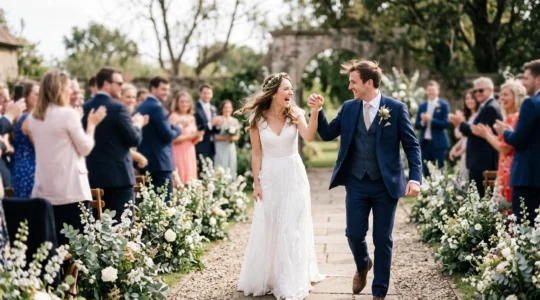
The secret to vibrant recessional photos isn’t better camera settings; it’s understanding the precise moment of “cognitive release” when a couple’s formal tension transforms into pure, uninhibited joy. Most photographers focus on technicals, but the real magic comes from anticipating…
Read more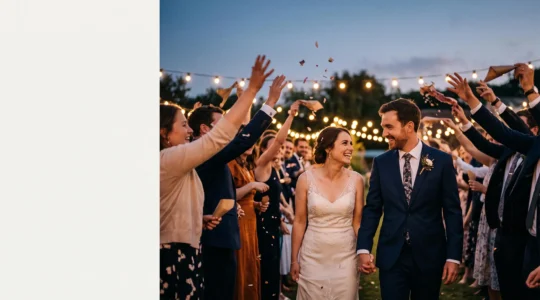
Many talented wedding photographers deliver galleries that feel strangely incomplete, ending on a flat note after the energy of the reception. This guide reframes the grand exit not as an afterthought, but as the essential final scene in a cinematic…
Read more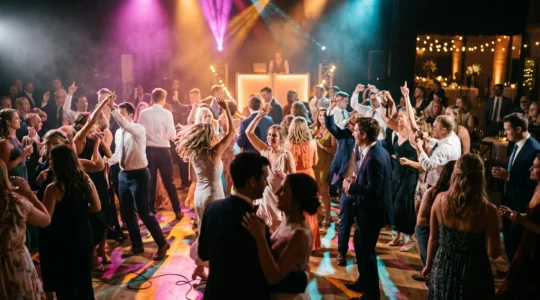
The solution to lifeless dance floor photos isn’t sharper images, but capturing the collective kinetic rhythm of the crowd as a single, living entity. Embrace intentional motion blur to convey movement and energy, rather than freezing every moment with a…
Read more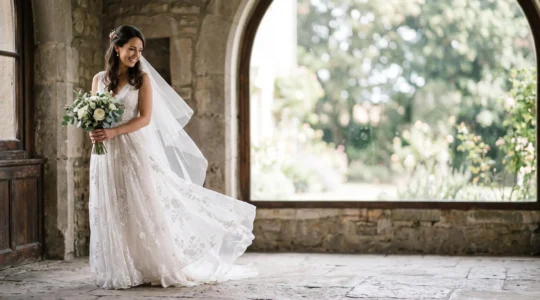
The difference between a good bridal portrait and an iconic one isn’t the camera or the lens; it’s a deliberate, reductive strategy focused on crafting a single, masterpiece image. Effective direction is about giving fewer, more meaningful prompts that evoke…
Read more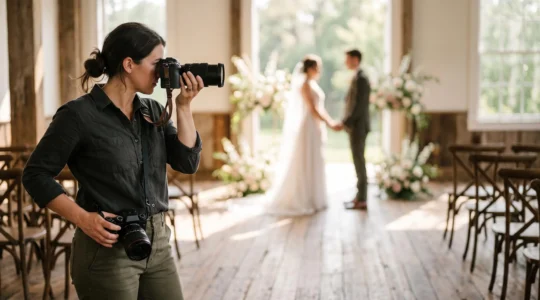
The secret to successful hybrid wedding photography isn’t just offering two styles; it’s mastering the operational shift between two distinct mindsets—the Observer and the Director—without creating a disjointed final gallery. Effective hybrid work demands up to 30% more contracted time…
Read more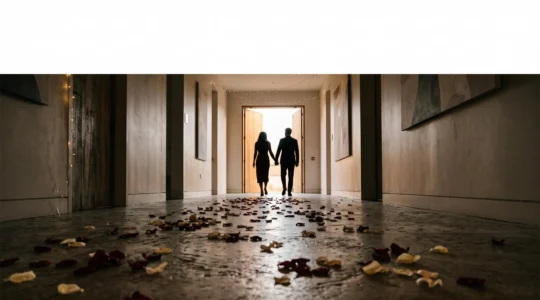
If your wedding galleries feel more like a disconnected checklist of “great moments” than a cohesive story, the problem isn’t your camera—it’s your script. A cinematic narrative is built on a three-act structure, not just a chronological timeline. Varying shot…
Read more
The true value of a wedding album is unlocked when it is crafted not as a report of the day, but as a tactile reliquary of family history, designed for rediscovery. Heirloom albums are revisited far more often than digital…
Read more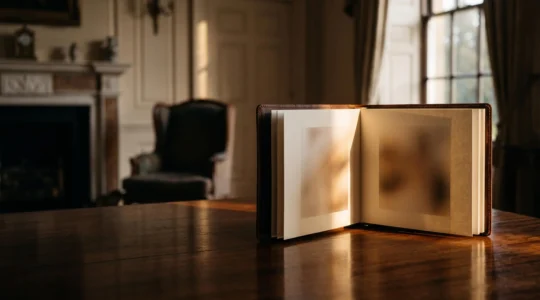
You are an accomplished photographer. Your technical skills are undeniable, your portfolio is polished, and yet you find yourself in frustrating conversations, justifying a £3,000 fee to clients who see photography as just another item on a wedding checklist. You…
Read more