
Wedding photography represents one of the most significant investments couples make for their special day. These images become treasured heirlooms, documenting not just how you looked, but how you felt during one of life’s most meaningful celebrations. Understanding the landscape of wedding photography—from artistic styles to practical planning—empowers you to make informed decisions that result in photographs you’ll cherish for decades.
Whether you’re recently engaged and beginning your planning journey, or simply exploring what makes wedding photography so distinctive, this resource provides a comprehensive foundation. We’ll explore the creative approaches photographers take, the preparation that ensures stunning results, and the timeline of moments that tell your complete wedding story.
The style of your wedding photography fundamentally shapes how your day is remembered. Different approaches create dramatically different visual narratives, and understanding these distinctions helps you articulate your vision and select a photographer whose aesthetic resonates with you.
Traditional wedding photography emphasizes posed portraits and carefully arranged group shots. This time-tested approach ensures every family combination is documented, with formal compositions that have stood the test of time. Think structured family portraits, classic bride-and-groom poses, and methodically captured reception details. This style works beautifully for couples who value comprehensive family documentation and appreciate timeless elegance over experimental artistry.
Photojournalistic wedding photography takes an unobtrusive, storytelling approach, capturing genuine moments as they unfold naturally. Photographers using this style act as visual reporters, documenting laughter, tears, and spontaneous interactions without directing subjects. The result feels authentic and emotionally rich, though it requires trusting your photographer to anticipate meaningful moments rather than orchestrating them. Many couples appreciate how this style preserves the genuine atmosphere of their celebration.
Fine art wedding photography prioritizes artistic composition and creative vision, often incorporating dramatic lighting, unique perspectives, and carefully considered backdrops. These images might remind you of fashion editorials or gallery-worthy portraits. Photographers working in this style often dedicate more time to each shot, crafting images that function as standalone artworks. This approach suits couples who view their wedding album as an aesthetic statement and appreciate contemporary, magazine-inspired imagery.
Exceptional wedding photographs rarely happen by accident. Thoughtful preparation ensures your photographer can work efficiently and capture the moments that matter most to you, while minimizing stress on your wedding day.
Your photography timeline serves as the backbone of your visual coverage. Consider these essential elements when building your schedule:
Your photographer isn’t a mind reader. Clear communication about your priorities ensures they focus energy on what matters most to you. Share inspiration images that resonate with you—not to replicate them exactly, but to communicate aesthetic preferences. Create a list of must-have shots, including specific family combinations and meaningful details. Equally important, mention what you don’t want photographed, whether that’s certain unflattering angles or particular family dynamics.
Small logistical considerations significantly impact your photography results. Gather all detail items—invitations, rings, shoes, accessories—in one location before your photographer arrives. Designate a point person who knows family members and can help coordinate group shots efficiently. Scout your venue for optimal portrait locations, considering both backup options if weather doesn’t cooperate. These preparations allow your photographer to maximize creative output rather than troubleshooting logistics.
Selecting your wedding photographer ranks among your most crucial planning decisions. Beyond technical competence, you’re choosing someone who will witness your most vulnerable, joyful moments—chemistry and trust matter enormously.
Begin by reviewing complete wedding galleries, not just highlight reels. Consistency matters more than a few spectacular images. Notice how photographers handle challenging lighting conditions, whether they capture genuine emotion, and if their editing style remains appealing across an entire wedding day. Request galleries from weddings similar to yours in venue type, size, or formality level.
During consultations, assess both portfolio and personality. Ask about their approach to family dynamics, how they handle timeline delays, and their backup equipment and contingency plans. Discuss deliverables in detail: how many edited images do they typically provide, what’s the delivery timeline, and what usage rights do you receive? A photographer might create stunning images but prove frustrating to work with if communication styles clash or expectations misalign.
Consider these practical factors alongside artistry:
While every wedding unfolds uniquely, certain moments form the narrative arc of virtually every celebration. Understanding these touchpoints helps you visualize your day’s photographic story and ensure nothing crucial goes undocumented.
The preparation phase establishes anticipation and intimacy—detail shots of your dress and accessories, candid moments with attendants, and the emotional first look (if you choose this option). These quiet, intimate images contrast beautifully with the ceremony’s formality and reception’s energy.
Ceremony coverage captures the legal and symbolic heart of your wedding: processional moments, vow exchanges, ring presentations, the first kiss, and recessional joy. Even subtle moments matter here—a parent’s tear, guests’ reactions, or a flower girl’s unexpected improvisation often become favorite images.
Portraits provide timeless images you’ll display for years. Beyond traditional couple portraits, prioritize family groupings while everyone’s assembled. Extended family photographs become increasingly precious as time passes. Wedding party shots capture friendships, while individual portraits of you both create images suitable for framing and gifts.
Reception moments tell your celebration’s story: grand entrance energy, first dance intimacy, parent dances, toasts, cake cutting, bouquet tosses, and dance floor spontaneity. Don’t overlook reception details—centerpieces, place settings, signage, and food displays—that showcase your planning efforts and design vision.
Your wedding photographs’ value extends far beyond the wedding day itself. How you preserve, display, and share these images determines whether they remain actively enjoyed or languish on hard drives.
Professional albums remain the gold standard for preservation. Unlike digital files, physical albums invite browsing and become family heirlooms. When designing your album, select images that tell a cohesive story rather than including every shot. Many photographers offer heirloom-quality albums with archival paper and professional binding that withstand decades of handling.
Digital delivery offers convenience and sharing flexibility. Ensure you receive high-resolution files with clearly defined usage rights. Implement a backup strategy immediately—cloud storage, external hard drives, and additional copies with family members. Digital files seem permanent until hardware fails or file formats become obsolete.
Consider creative sharing and display options beyond traditional albums. Gallery walls featuring standout portraits transform your home. Thank-you cards incorporating wedding images delight guests. Digital slideshows set to music capture motion and emotion that still images can’t convey alone. Many couples create smaller parent albums as meaningful gifts honoring those who contributed to their celebration.
The photographs from your wedding day grow more precious with time. They’ll introduce you to future children, commemorate loved ones who won’t always be present, and remind you of promises made and joy shared. Investing thought into both capturing and preserving these images ensures they fulfill their purpose for generations to come.
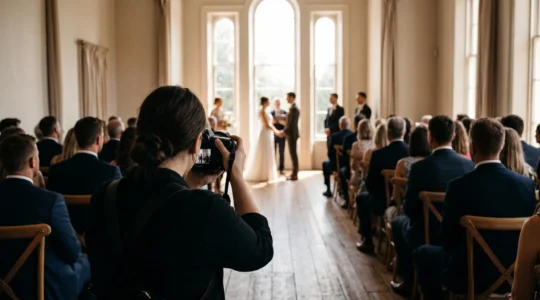
The true purpose of wedding photography is not technical image creation but the profound responsibility of serving as a family’s cultural archivist and relational storyteller. This role demands a shift from being a passive observer to an empathic witness, capturing…
Read more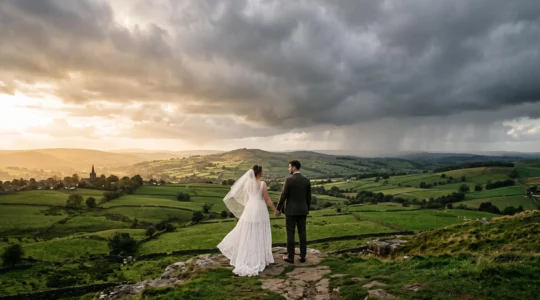
In summary: Stop reacting to forecasts; start planning with regional climate intelligence. Coastal, urban, and rural venues have fundamentally different weather systems that require distinct strategies. The “safe summer” is a myth; August often has more rain than earlier months,…
Read more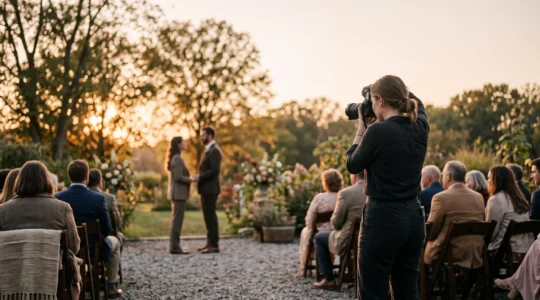
Contrary to the popular view of wedding photography as a creative service, its true nature is a solemn act of historical preservation. Your role transcends that of an artist; you are the designated custodian of a family’s single, unrepeatable day….
Read more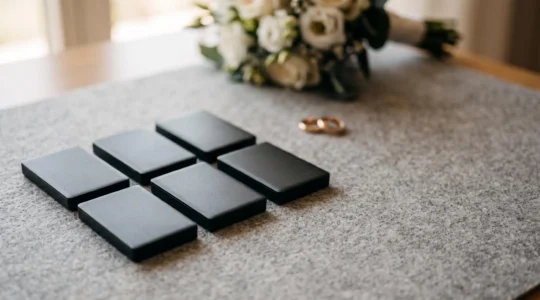
In summary: Data loss isn’t a possibility; it’s an inevitability. A professional workflow must assume every component will fail. The 3-2-1 backup rule is the absolute minimum. A modern, robust system extends this to a 3-2-1-1-0 framework, incorporating offline/immutable copies…
Read more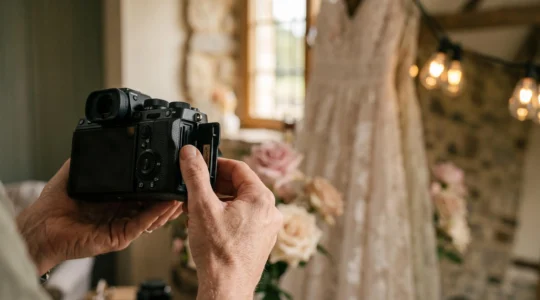
Relying on a single memory card is the single greatest threat to a wedding photographer’s career, equivalent to professional negligence. Card failure is not a matter of “if” but “when,” with physical damage or corruption offering a near-zero chance of…
Read more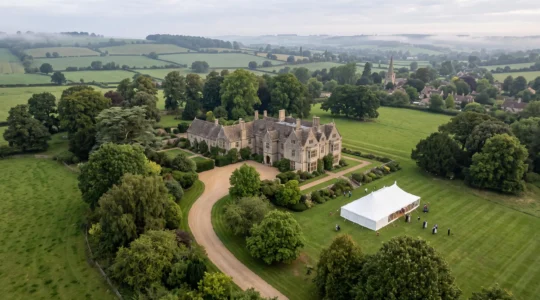
Adding drone services is profitable only when treated as a strategic business decision, not just a creative add-on. The financial return depends less on the drone itself and more on targeting clients whose premium venues justify the unique perspective. Navigating…
Read more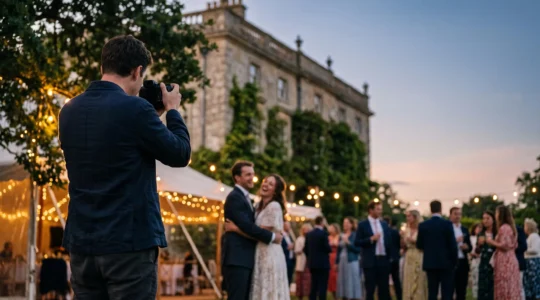
Adding short video clips is not about becoming a full-time videographer; it’s a strategic decision to create a premium ‘hybrid deliverable’ that protects your core photography business and profitability. Client demand is shifting towards capturing small, authentic moments, not just…
Read more