
Your wedding photographs will become treasured heirlooms, visual stories you’ll revisit for decades. Yet not all wedding photos look the same. The difference lies in photographic style—the deliberate aesthetic and technical choices photographers make to capture your celebration. Understanding these styles empowers you to articulate your vision clearly and find a photographer whose work truly resonates with your taste.
Photographic styles in wedding photography encompass everything from composition and lighting to posing philosophy and editing techniques. Some couples gravitate toward timeless, formal portraits, while others prefer candid, emotion-driven storytelling. Still others seek artistic imagery that resembles gallery-worthy paintings. This comprehensive resource introduces the major wedding photography styles, explains what distinguishes them, and provides practical insights to help you identify which approach aligns with your expectations.
Think of photographic styles as different languages for telling the same beautiful story. Each has its own vocabulary, grammar, and emotional tone. By learning to recognize these visual languages, you’ll be better equipped to communicate your preferences and ultimately receive wedding photographs that feel authentically yours.
Wedding photography has evolved into several distinct styles, each with recognizable characteristics. While many photographers blend approaches, understanding these core styles provides a foundation for discussing your preferences. The four primary styles—traditional, photojournalistic, fine art, and editorial—represent different philosophies about how weddings should be documented.
Traditional wedding photography emphasizes formal, posed portraits with careful attention to composition and lighting. This approach prioritizes ensuring every important family member appears in well-organized group photos, and that the couple looks polished and camera-ready. Photographers working in this style typically provide direction throughout the day, arranging subjects, adjusting poses, and ensuring everyone looks their best.
The aesthetic tends toward timeless rather than trendy—images that could have been captured decades ago or will still look elegant decades from now. Lighting is often controlled using off-camera flash to ensure consistent, flattering results regardless of venue conditions. This style suits couples who value comprehensive coverage of all attendees and prefer the security of knowing exactly what they’ll receive: beautiful, well-executed portraits that meet traditional expectations.
In stark contrast, photojournalistic wedding photography adopts a fly-on-the-wall approach, capturing genuine moments as they naturally unfold. Photographers using this style minimize their interference, allowing events to progress organically while they observe and document. The resulting images feel spontaneous, emotional, and authentic—a grandmother wiping away tears, guests laughing during toasts, or the couple stealing a quiet moment together.
This approach requires exceptional anticipation skills. Rather than arranging the perfect shot, photojournalistic photographers position themselves to capture decisive moments. The aesthetic embraces imperfection: slightly off-center compositions, natural lighting with its inherent variations, and genuine expressions rather than camera-ready smiles. Couples who prioritize emotional authenticity over polished perfection typically gravitate toward this documentary approach.
Fine art wedding photography elevates wedding imagery into the realm of artistic expression. These photographers view weddings as opportunities to create gallery-worthy compositions that emphasize beauty, creativity, and artistic vision. Images often feature dramatic lighting, unusual perspectives, carefully considered color palettes, and compositional techniques borrowed from classical art.
Fine art photographers frequently incorporate environmental elements—architectural details, dramatic landscapes, or interesting light patterns—to create images with strong visual impact. Posing, when it occurs, tends toward natural, graceful positions rather than stiff formality. The editing process is integral to this style, with photographers developing signature looks through careful color grading and tonal adjustments. This approach appeals to couples who view their wedding album as an art collection and appreciate imagery that transcends simple documentation.
Borrowing aesthetics from fashion and lifestyle magazines, editorial wedding photography creates images that look like they belong in glossy publications. This style emphasizes fashion-forward composition, dramatic styling, and cinematic storytelling. Editorial photographers pay particular attention to details—the drape of a gown, the arrangement of florals, the interplay of patterns and textures.
Lighting tends toward dramatic and intentional, often using natural light in creative ways or employing sophisticated artificial lighting techniques. Couples are often posed in ways that showcase their attire and the venue’s design elements. The resulting images feel polished, sophisticated, and trend-aware. This style particularly suits couples who’ve invested significantly in wedding design and want photography that honors those aesthetic choices with magazine-quality imagery.
Beyond shooting approach, photographic style is strongly defined by the color palette and emotional tone conveyed through editing. These aesthetic choices dramatically affect how images feel and can transform identical scenes into completely different visual experiences. Two dominant aesthetic camps have emerged in recent years, each creating distinct moods.
The light and airy style features bright, luminous images with soft shadows, creamy highlights, and pastel-leaning color tones. Skin tones appear warm and glowing, whites remain bright and clean, and the overall impression is romantic and ethereal. This editing approach works particularly well for outdoor weddings, garden settings, and venues with abundant natural light.
Photographers achieving this look often slightly overexpose during shooting to preserve highlight detail, then carefully balance exposure in editing. The color grading typically reduces contrast, lifts shadows, and adds warmth to create that signature dreamy, optimistic feel. Couples drawn to soft, romantic, and feminine aesthetics typically prefer this approach. However, it’s worth noting that this style requires appropriate lighting conditions—attempting to force this aesthetic in dimly lit venues can result in overly processed-looking images.
At the opposite end of the spectrum, dark and moody photography embraces rich shadows, dramatic contrast, and deeper, more saturated color tones. This style creates images with cinematic depth, emotional intensity, and sophisticated atmosphere. Rather than avoiding shadows, photographers working in this aesthetic use them intentionally to create dimension and drama.
Color grading often emphasizes jewel tones, muted greens and blues, and warm golden highlights, creating images that feel intimate and atmospheric. This approach particularly suits evening celebrations, industrial or urban venues, and couples who prefer sophisticated, editorial aesthetics over bright, cheerful tones. The dark and moody style has grown increasingly popular for its ability to create images with strong emotional presence and artistic gravitas.
Photographic style isn’t only about aesthetics—it’s also defined by technical choices that affect how images are created. One fundamental distinction is the choice between film and digital photography, each offering unique characteristics that contribute to overall style.
Film photography has experienced a resurgence in wedding photography, valued for its organic grain structure, natural color rendering, and the distinctive quality of light it captures. Film requires intentionality—with limited frames per roll, photographers must be deliberate about each shot. The results often feature softer tonality and a timeless quality that digital sometimes struggles to replicate. Many couples appreciate film’s inherent imperfections and the romantic nostalgia it evokes.
Digital photography offers tremendous flexibility, immediate feedback, and the ability to shoot extensively without film costs. Modern digital cameras excel in low-light situations and provide photographers with greater control during post-processing. Many photographers now use a hybrid approach, shooting both film and digital to combine film’s aesthetic charm with digital’s reliability and versatility.
Beyond the film-versus-digital question, technical choices about lenses, lighting equipment, and shooting techniques all contribute to a photographer’s signature style. Wide-angle lenses create environmental context and dramatic perspectives, while telephoto lenses compress backgrounds and isolate subjects. Some photographers embrace natural light exclusively, while others skillfully incorporate flash or continuous lighting to control their images precisely. These technical decisions, often invisible to clients, fundamentally shape the final aesthetic.
Selecting a photographic style shouldn’t feel overwhelming. Start by examining wedding photographs that resonate with you emotionally. Create a collection of favorite images, then analyze what they share: Are they mostly candid or posed? Bright or moody? Focused on people or incorporating environmental elements? These patterns reveal your instinctive preferences.
Consider your wedding’s overall aesthetic and venue. A rustic barn celebration might pair beautifully with light and airy photojournalism, while an elegant ballroom affair could shine with editorial or fine art approaches. However, these aren’t strict rules—sometimes contrasting styles create interesting tension. An industrial venue photographed with soft, romantic techniques, for instance, can produce striking results.
Equally important is considering your comfort level with direction. Some couples enjoy being posed and guided, appreciating a photographer who takes charge and ensures they look perfect. Others feel self-conscious with extensive posing and prefer photographers who capture them naturally. Understanding your personality helps identify which approach will yield the most authentic-looking images of you.
Finally, remember that many talented photographers blend styles rather than adhering rigidly to one approach. They might use photojournalistic techniques during the ceremony, transition to traditional family portraits afterward, then create fine art couples portraits at sunset. When reviewing portfolios, look for consistency in quality and aesthetic vision rather than strict adherence to a single category. The goal is finding a photographer whose overall body of work consistently produces images you love—because that’s what you’ll receive on your wedding day.
Understanding photographic styles transforms you from a passive client into an informed collaborator. You’ll be able to articulate your preferences clearly, ask informed questions during consultations, and ultimately select a photographer whose artistic vision aligns with your expectations. Your wedding photographs will be viewed for generations—investing time in understanding these visual languages ensures they’ll tell your story in a style that feels authentically, beautifully yours.
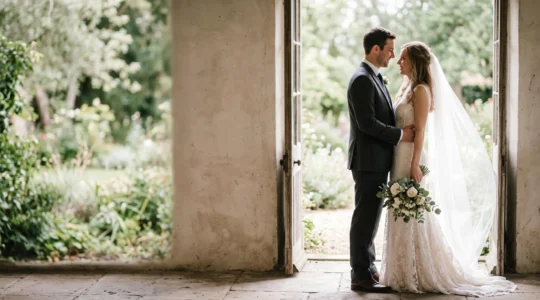
Creating truly soft portraits isn’t about blurring skin, but about mastering the quality of light before it ever touches your subject or your lens. Soft light works by scattering beneath the skin to create a natural glow, while hard light…
Read more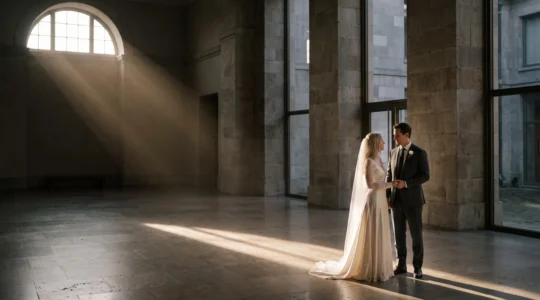
Contrary to popular belief, fine art wedding photography is not about finding soft light and using a wide-aperture lens; it’s a complete paradigm shift from documenting events to curating museum-grade art. Success depends on translating fleeting moments into timeless compositions…
Read more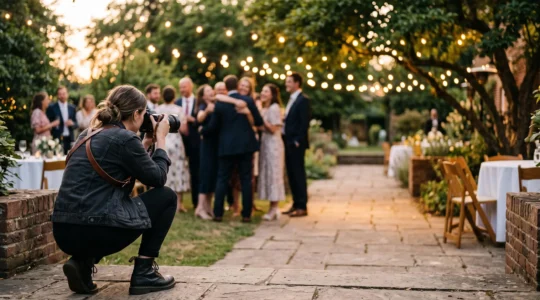
True reportage wedding photography isn’t passive observation; it is an active journalistic discipline requiring you to anticipate the story, not just react to it. Success depends on shifting from a “photographer” mindset to that of an “active witness,” focusing on…
Read more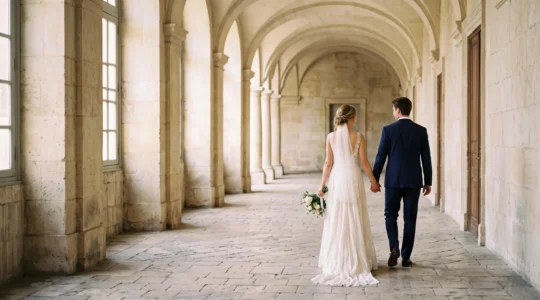
The difference between a £3,500 and a £15,000 wedding photographer isn’t the camera—it’s the ability to act as a visual editor, not just a documentarian. Editorial vision means actively curating a narrative by identifying “emotional signifiers” and “narrative currency” in…
Read more