
Wedding portraits are far more than technical exercises in exposure and composition. They are visual time capsules that preserve the emotional essence of one of life’s most significant celebrations. While a sharp image with perfect lighting certainly matters, what truly transforms a portrait from merely good to unforgettable is its ability to capture authentic human emotion—the tears, laughter, tenderness, and joy that define a wedding day.
For photographers navigating the world of wedding portraiture, understanding how to recognize, anticipate, and preserve these emotional moments becomes as crucial as mastering camera settings. The challenge lies not just in documenting what happens, but in revealing how it feels. This requires a unique blend of technical skill, psychological insight, and artistic vision.
This comprehensive exploration examines the multifaceted approach to emotional wedding portraiture, from understanding different types of moments to mastering the technical and interpersonal skills that allow you to consistently capture images that resonate deeply with couples and their families for generations.
The photography landscape has shifted dramatically in recent years. Couples increasingly seek images that feel genuine rather than staged, preferring documentary-style storytelling over rigid, formal poses. This evolution reflects a broader cultural shift toward authenticity and personal narrative.
Consider the difference between a portrait where everyone mechanically smiles at the camera versus one capturing a father’s eyes welling with tears as he sees his daughter in her dress for the first time. The technical quality might be identical, but the emotional impact is worlds apart. The second image tells a story, evokes empathy, and creates an immediate connection with anyone who views it.
Research in visual psychology confirms that humans respond more strongly to images displaying genuine emotion. We’re hardwired to recognize authentic expressions, and photographs capturing real feelings trigger stronger memory formation and emotional response. For wedding clients, these aren’t just pretty pictures—they’re tangible connections to how they felt during pivotal moments they can never relive except through your images.
Wedding days contain a rich spectrum of emotional moments, each requiring different observational skills and photographic approaches. Recognizing these distinct categories helps you anticipate and position yourself to capture them effectively.
These are the quiet, often solitary instances when individuals experience private emotions—a bride taking a final moment alone before the ceremony, a groom reading a letter from his partner, or a parent watching their child from across the room. These moments are characterized by introspection and vulnerability. They require you to be present yet unobtrusive, often working with available light and longer focal lengths to maintain respectful distance while capturing genuine expression.
These encompass the exuberant, outward expressions of happiness—first looks, ceremonial kisses, dance floor celebrations, and group laughter. The energy is extroverted and dynamic, creating opportunities for vibrant, joyful imagery. Your challenge here involves capturing peak moments of action while managing complex lighting scenarios and multiple subjects simultaneously.
Between the major events, weddings contain numerous small, tender exchanges: a reassuring hand squeeze, a knowing glance between partners, or grandparents watching the celebration unfold. These subtle interactions often reveal the deepest connections. They demand constant awareness and the discipline to keep shooting during transitions when less experienced photographers might lower their cameras.
While emotion is inherently human and artistic, the technical execution determines whether you successfully preserve it. Several key technical considerations directly impact your ability to capture authentic expressions.
Light doesn’t just illuminate—it creates atmosphere and influences emotional tone. Soft, directional window light during preparation often yields intimate, contemplative moods. Golden hour light brings warmth and romance to couple portraits. Dramatic backlighting can create silhouettes that emphasize gesture and body language over facial detail.
Learning to read and utilize available light rather than overpowering it with flash often produces more emotionally authentic results. When supplemental lighting becomes necessary, techniques like bouncing flash or using off-camera lighting at lower power help maintain the ambient atmosphere while ensuring proper exposure.
Compositional choices significantly impact how viewers perceive emotional content. Tight framing on faces emphasizes expression. Including environmental context tells a broader story. Negative space can convey isolation or contemplation, while compressed compositions using telephoto lenses draw attention to interactions between subjects.
The rule of thirds, leading lines, and framing devices all serve emotion when applied thoughtfully. A parent framed in a doorway watching their child creates natural visual emphasis. Positioning subjects where background elements complement rather than distract keeps focus on the emotional content.
Emotional moments don’t wait for you to adjust settings. Successful emotional portraiture requires technical preparation that allows you to react instantly. This typically involves:
The distinction between candid and posed isn’t binary—it’s a spectrum. The most emotionally resonant portraits often exist in the middle ground, where you provide gentle direction that prompts authentic interaction rather than artificial poses.
Pure observation captures genuine moments but offers less control over composition and lighting. Traditional posing ensures technical quality but often produces stilted expressions. The solution lies in directed documentary techniques—placing subjects in flattering light and compositional arrangements, then prompting natural interactions rather than static poses.
For example, rather than instructing “smile at the camera,” you might say “tell your partner what you’re most looking forward to about being married.” This creates genuine interaction and authentic expression while you maintain control over the visual framework. The resulting images feel spontaneous while benefiting from intentional technical execution.
Technical skill alone cannot create emotionally powerful portraits. The relationship you establish with couples and their families directly influences their comfort, trust, and willingness to be vulnerable in front of your camera.
Begin building this connection during initial consultations. Ask about their relationship story, what matters most to them about their wedding, and what emotions they hope to preserve. This conversation provides insight into their values while demonstrating that you see them as individuals, not just another booking.
On the wedding day itself, several strategies enhance your ability to capture authentic emotion:
When subjects trust you and forget about the camera, they reveal their authentic selves. This comfort transforms your role from intrusive observer to welcomed documentarian.
The emotional journey doesn’t end when you lower your camera. Post-processing decisions significantly influence how viewers experience the feelings embedded in your images.
Color grading powerfully affects emotional interpretation. Warm tones typically evoke joy, romance, and nostalgia. Cooler palettes can suggest elegance, calm, or introspection. Desaturated processing often emphasizes timelessness and focuses attention on expression and gesture. Your processing choices should complement rather than contradict the inherent emotion of each moment.
Selective editing techniques allow you to direct viewer attention. Subtle vignetting draws eyes toward subjects. Dodging and burning enhance dimensional quality and emphasize key elements. Careful skin retouching preserves character while removing temporary distractions.
The cardinal rule remains: enhance what’s already present rather than fabricating emotion through excessive manipulation. Authentic moments rarely require heavy-handed processing. When you’ve captured genuine feeling, your post-processing should reveal and refine rather than transform or distort.
Mastering emotional wedding portraiture is an ongoing journey that deepens with every celebration you document. As you develop your technical skills, cultivate your observational awareness, and refine your interpersonal approach, you’ll find yourself consistently creating images that transcend mere documentation. These portraits become cherished heirlooms precisely because they preserve not just appearances, but the authentic feelings that make each wedding uniquely meaningful. The couples who trust you with this responsibility deserve nothing less than your complete commitment to capturing both the beauty and the emotional truth of their most significant moments.
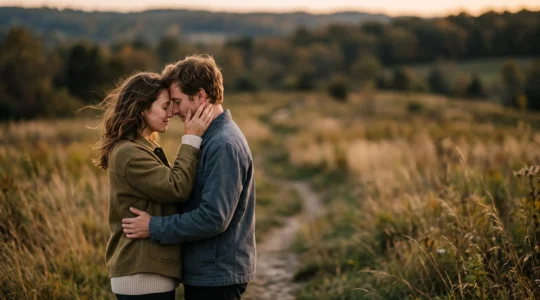
Authentic couple photos don’t come from better poses; they emerge when the photographer shifts from a director to an emotional safety facilitator. Genuine intimacy on camera is a byproduct of psychological comfort, not a list of prompts. Using movement-based direction…
Read more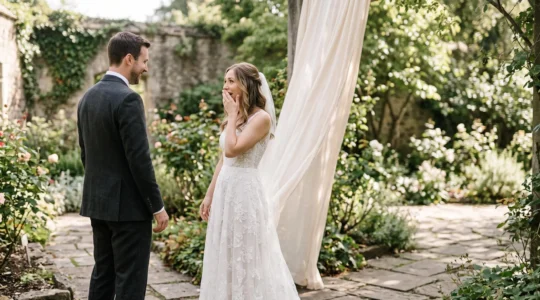
The secret to powerful first look photos isn’t better posing; it’s the radical decision to stop directing and start facilitating an “emotional sanctuary” for the couple. Authentic reactions emerge from private, interference-free environments where the photographer acts as a silent…
Read more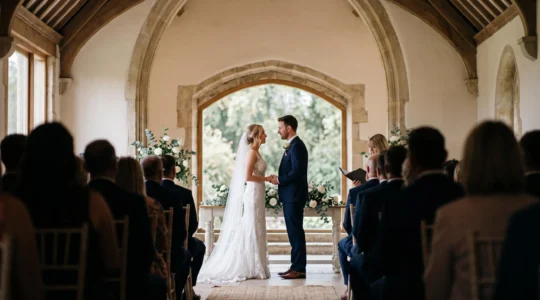
Capturing emotionally intimate vow photos from a distance is less about the lens you use and more about mastering the predictive art of reading emotion before it peaks. True intimacy is found in fleeting micro-expressions, which require anticipation, not just…
Read more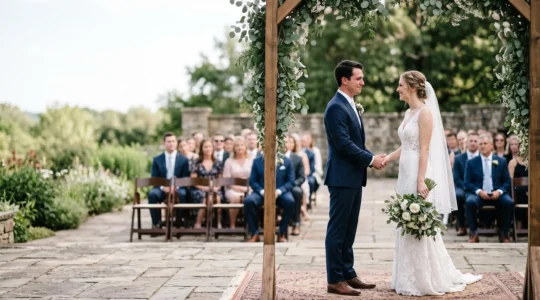
The most powerful wedding photos don’t capture the smile, but the split-second involuntary facial twitch that happens right before it. Authentic emotions “leak” through micro-expressions lasting less than half a second, revealing feelings the subject isn’t consciously expressing. Recognising these…
Read more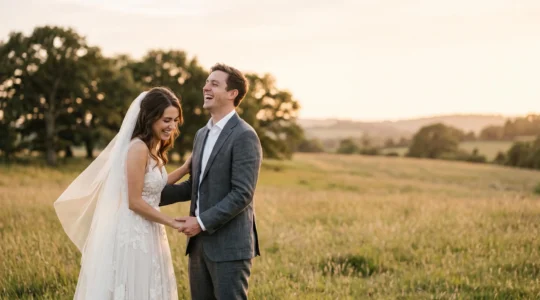
Efficient wedding portraiture isn’t about rushing a checklist; it’s a system of high-impact direction that creates authentic emotional variety in minimal time. Use short, action-based prompts (e.g., “Whisper your favourite dessert”) instead of static pose commands to elicit genuine reactions….
Read more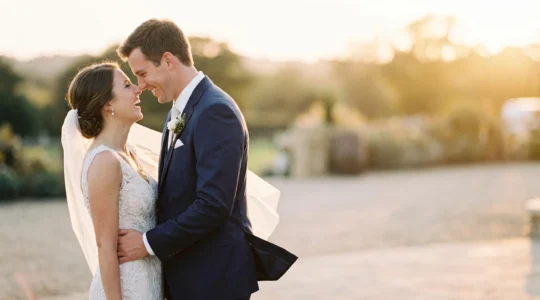
The greatest myth in portraiture is that glamour and authenticity are opposites; in reality, true editorial glamour is the art of meticulously engineering the conditions for authentic connection to flourish. Directing for emotion isn’t about telling a couple what to…
Read more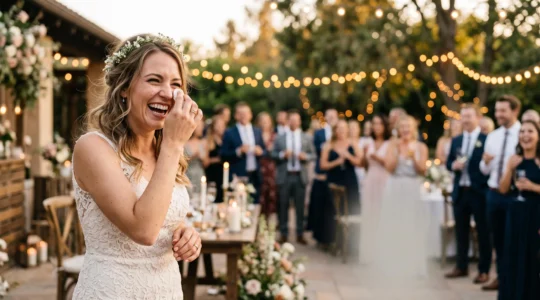
Most wedding photographers focus on capturing smiles, but this often results in images of performed happiness, not genuine emotion. This guide reveals that the most treasured photographs are born from understanding psychological cues, not just technical settings. We’ll explore how…
Read more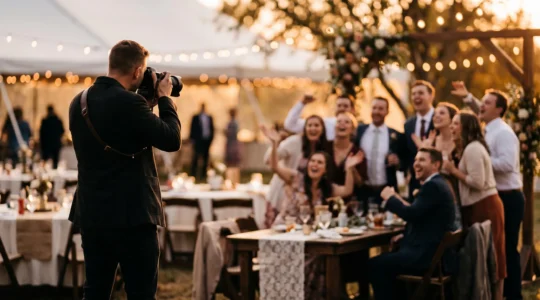
The key to powerful candid wedding photography isn’t being a ‘fly on the wall’; it’s learning to predict the emotional future of a scene. Genuine moments follow predictable patterns, from the rhythm of laughter during speeches to the quiet interactions…
Read more